
Against the backdrop of rapid development in new energy and smart grids, commercial energy storage projects are gradually becoming an important means for enterprises to reduce energy consumption and lower energy costs. This article will delve into the seven major profit channels of commercial energy storage to help readers fully understand its profit strategies.
1. Peak Shaving and Valley Filling
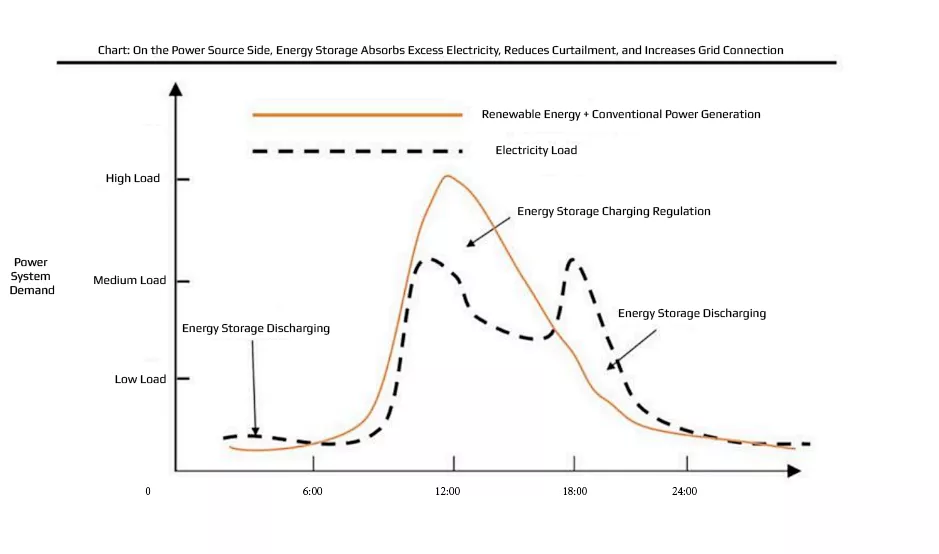
Peak shaving and valley filling is one of the most common methods for commercial energy storage. By charging during off-peak hours at lower electricity prices and discharging to supply commercial users during peak hours, the energy storage system achieves temporal and price arbitrage of electrical energy.

With the promotion of time-of-use electricity pricing policies in many domestic regions, the price difference between peak and valley electricity is gradually increasing, significantly enhancing the economic viability of this profit method. In high electricity consumption areas such as Zhejiang and Guangdong, the economic benefits of commercial energy storage power stations are particularly evident.
2. New Energy Consumption
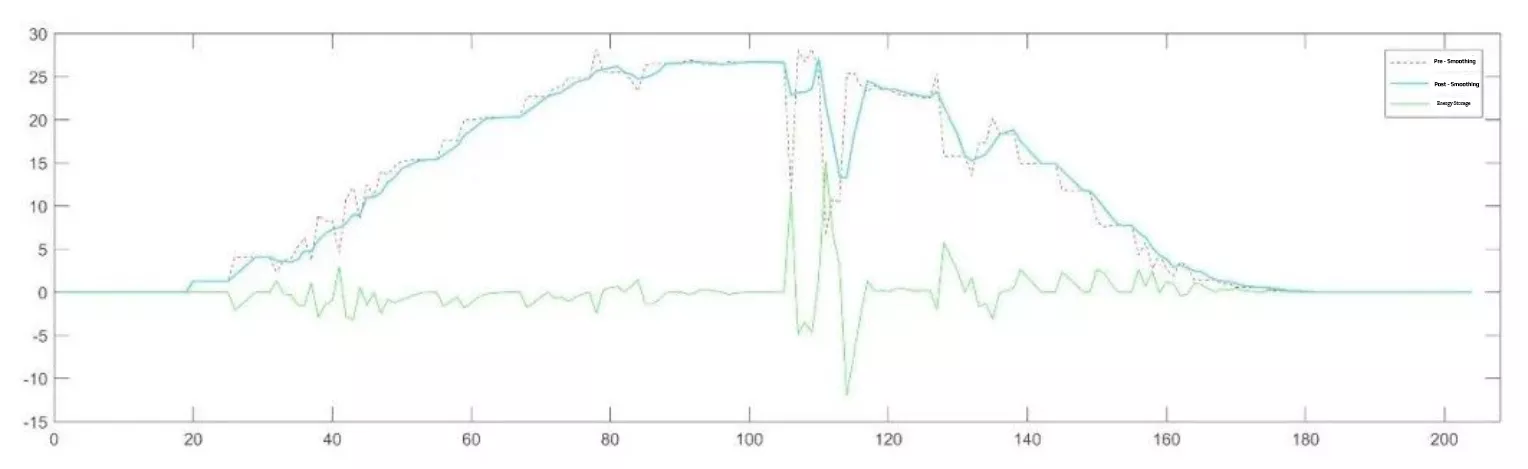
With the popularization of new energy sources like photovoltaics, the proportion of photovoltaic + energy storage applications is continuously rising. Photovoltaic power generation is intermittent and fluctuating, and energy storage systems can smooth out photovoltaic output, increasing the consumption rate of photovoltaic power. When photovoltaic power exceeds user demand, the surplus energy can be stored in the energy storage system; when photovoltaic power is insufficient, the energy storage system can supply power to the load, thereby maximizing the reduction of users’ electricity costs.
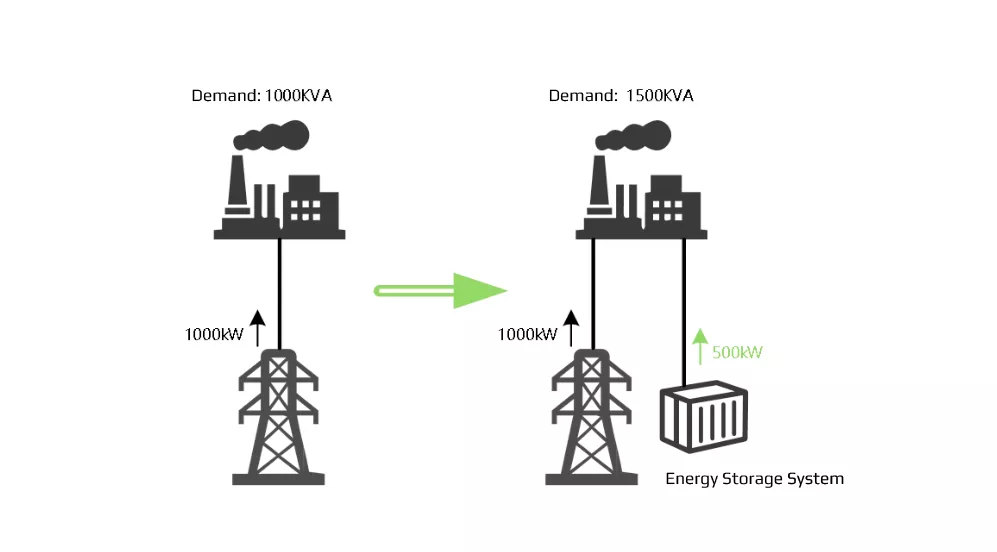
3. Increased Electricity Capacity For commercial users whose production capacity is continuously expanding, the original power distribution capacity may not meet the demand. Energy storage systems can continue to charge rapidly when short-term power consumption exceeds the transformer capacity, meeting the power demand and thus reducing transformer usage costs, shortening the expansion cycle, and investment.
4. Capacity Management
In most domestic regions, the electricity bill for commercial users includes basic electricity prices and electricity consumption prices. The energy storage system can store energy during low electricity consumption periods and discharge during peak periods, thereby reducing users’ peak power and maximum demand, making the actual power consumption curve smoother and reducing capacity electricity bill expenses. For example, Guangdong Province has offered an incentive price of up to 3.5 yuan/kWh for user-side energy storage, further reducing users’ electricity costs.
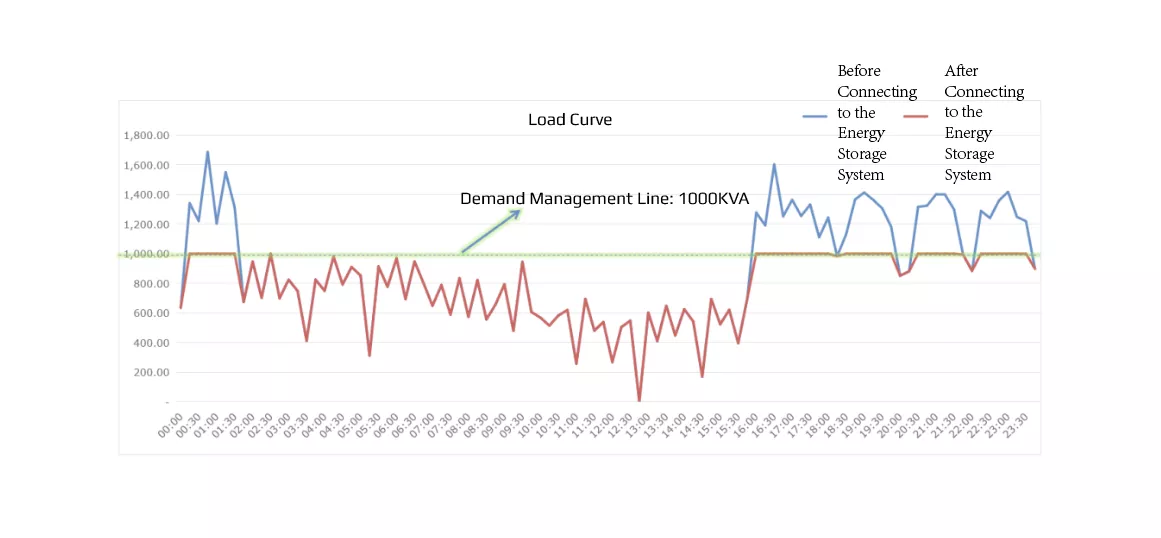
5. Capacity Management In most domestic regions, the electricity bill for commercial users includes basic electricity prices and electricity consumption prices. The energy storage system can store energy during low electricity consumption periods and discharge during peak periods, thereby reducing users’ peak power and maximum demand, making the actual power consumption curve smoother and reducing capacity electricity bill expenses. For example, Guangdong Province has offered an incentive price of up to 3.5 yuan/kWh for user-side energy storage, further reducing users’ electricity costs.
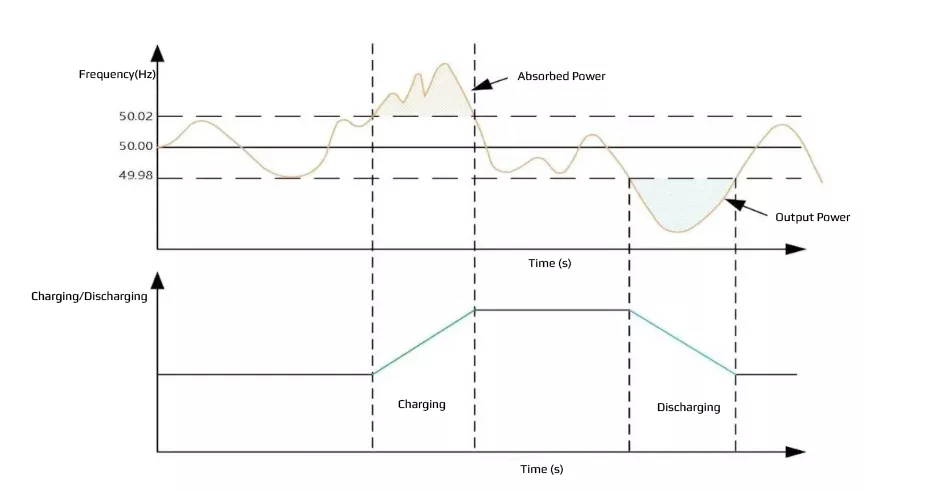
6. Energy Efficiency and Power Optimization Energy storage systems, through energy efficiency optimization and power optimization, help users achieve the best way of energy use, reduce electricity purchase costs, and minimize energy waste. By real-time monitoring and predicting energy demand, energy storage systems can intelligently buy and sell energy, thereby gaining more energy-saving benefits.
7. Backup Power Supply and Demand Response In the event of power outages or failures, energy storage systems can act as backup power supplies, providing emergency power supply to commercial users and ensuring the normal operation of critical loads. In addition, energy storage systems can participate in demand response markets, adjusting charging and discharging strategies according to changes in power system demand, responding to the needs of the power system and obtaining corresponding rewards.


